Well since I brought it up in my last article, here is one other useful bit of knowledge that I have distilled from listening to hours of podcasts and reading the books and published papers from the experts. Bottom line, if I had to pick one thing other than walking and practicing good posture throughout your day to improve your health and happiness, it would be to simply pay attention to your fiber intake and gut health. Try tracking your fiber intake for a week and see if you are getting your recommended daily allowance (25-40 grams). Keep in mind, our ancestors likely consumed in excess of 100 grams a day.
Healthy Gut = Healthy Brain
As you’ve probably heard, the bacteria in your gut are essential not only for a healthy body, but for a healthy mind. There is a link between your brain and your gut and when one is not healthy, neither is the other. What can you do to ensure you have good gut bacteria and that you keep it healthy? Eat more fiber and make sure your diet has some sources of active cultures (bacteria).
Cultured dairy: Yogurt can be somewhat limited in the biodiversity of its cultures and so kefir is a better dairy choice. You don’t have to drink that much of it and if you don’t like the sour taste, blend it with a banana or other fruit. I find whole milk plain kefir to be tastier than the flavored versions and if you really don’t like it, mix a few tablespoons into your yogurt of choice. I promise you won’t notice it.
Cultured Vegetables: Pickles and sauerkraut as well as kimchi are also good sources of gut friendly bacteria and come with their own fiber source. Bubbies is a good brand to look for. You can find these in the refrigerated section of you grocery store.
Other Fermented Foods: Kombucha, Tempeh (fermented soybeans), and miso are all good sources of gut friendly bacteria as well.
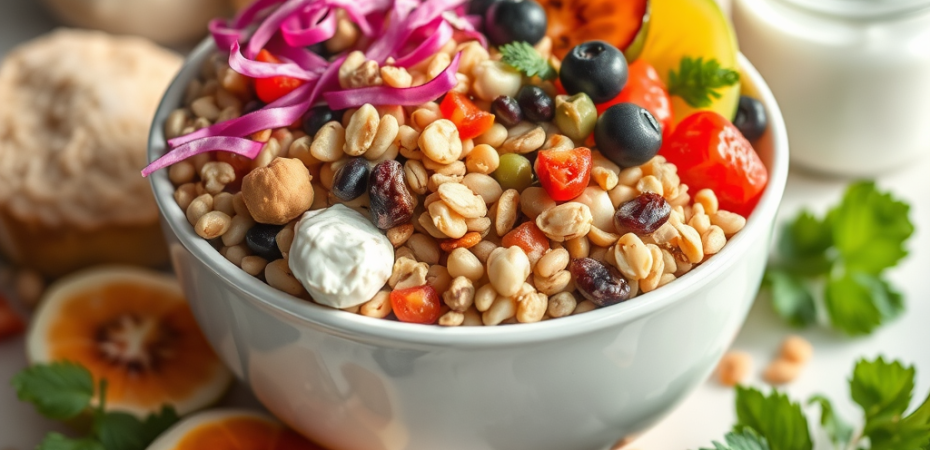
Good plant based fiber sources are whole grains, legumes, seeds, berries, nuts, and fruits and vegetables with the skin in tact. Beans, chick peas, oatmeal, eggplant, yams, are all good sources. There are also many commercially made cereals that are high in fiber and can make a great snack throughout your day or a good breakfast in combination with a lean protein source.
Can you take a fiber supplement? Why not? I would still try and get most of my fiber from natural plant-based sources, but if you are falling short, a soluble fiber supplement can help.
Potential Problems with Increasing Fiber Intake? Increase your fiber intake over time and space it throughout your day. Too much too soon and you may end up with some stomach cramps and gas. Too much insoluble fiber can cause diarrhea and exacerbate conditions such as Irritable Bowel Syndrome (IBS) and Crohn’s Disease so make sure you know what kind fiber of you are consuming and if you have a chronic health condition, talk to your doctor first.
Is it the fiber that is making me feel bloated or is it the gluten? Does gluten or wheat bother your stomach? Unless you have celiac disease, you don’t have to go gluten free, but you can reduce the amount of gluten in your diet. The problem most of us have here in the US is that American flour is made from red wheat which contains significantly more gluten than white wheat, more typically used in Europe. Many people find that when they travel from the US to Europe, they can tolerate bread products much better. I’ve switched to seedless rye bread and I buy lower gluten European flour and it makes a big difference for me. There may be more to it than just the gluten, but I’ll leave that for other people to figure out.
Other Benefits of Increasing Fiber Intake: Increased fiber intake has been associated with lowered cholesterol, reduced risk of cardiovascular disease, weight loss, and reduction in risk of colon cancer.
Want to learn more from a reputable source?
Dr. Justin Sonnenburg, from the Department of Microbiology and Immunology at Stanford University has an excellent book, The Good Gut, which he discusses here with Dan Huberman.
PS. There are a some surgeons (Dr. Oz, etc.) who write about these topics despite not studying or researching these topics. Let them write about surgery, for this stuff, there are better sources.
 Be Strong, Be Kind